
5 Cast Iron Myths
the tiny behavior happening inside your pan
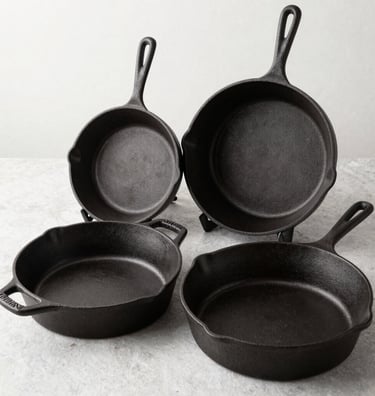
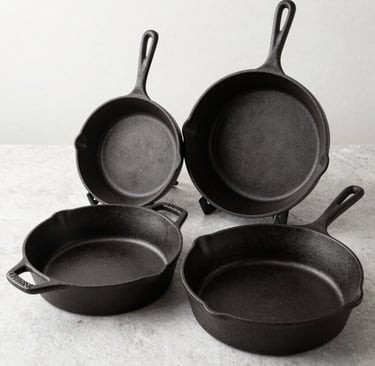
Cast iron carries a certain mystery; the kind that gets passed around in kitchens, whispered through family habits, and repeated so often it starts to feel like truth.
But most of that mystery comes from myths that hide the real kitchen science happening inside your pan.
When you understand what’s actually happening at the surface level; the polymerized oil, the heat retention, the reactions between ingredients and iron, cast iron becomes simple, predictable, and comforting.
These are the five myths that quietly get in the way of clarity.
Answer: no, polymerized oil is a hard, heat‑bonded layer; soap can’t break it
Tiny science: soap breaks down grease, not polymerized layers.
Seasoning is essentially a thin, plastic‑like film created by heat.
It doesn’t dissolve under mild dish soap.
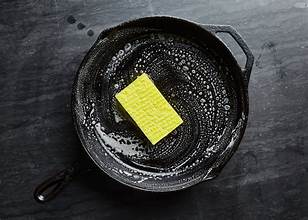
Myth 1: Soap
does soap really ruin cast iron?
is rust the end of a cast iron pan?
Myth 3: Rust
Answer: absolutely not! a little extra care will move it right out. rust only sits on the surface scrub, dry, re‑season, and it resets
Tiny science: rust is simply iron & water. It doesn’t penetrate deeply. Once removed, the pan is structurally unchanged and ready to rebuild seasoning.
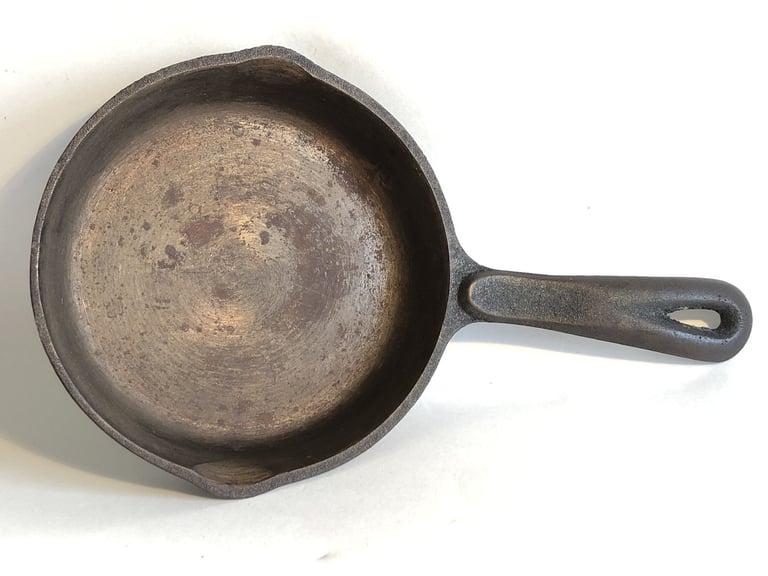
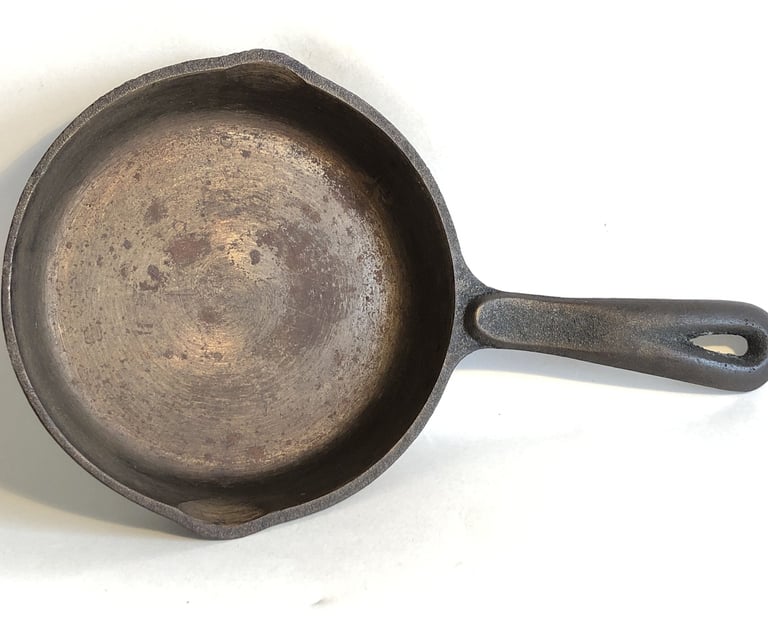
Myth 4: Perfect seasoning
does seasoning need to look perfect?
Answer: nothing is ever "perfect", so don't get hung up with feeling like this pan must be flawless. becoming a reliable tool is the goal. seasoning builds in micro‑layers; patchy is normal and good.
Tiny science: each cook adds a thin polymerized layer. Over time, these layers even out naturally. A “lived‑in” surface is a sign of use, not a flaw.
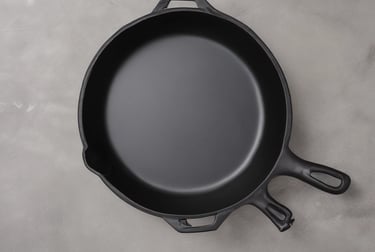
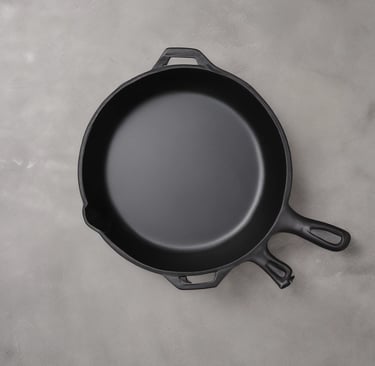
Myth 5: High Maintenance
is cast iron actually high‑maintenance?
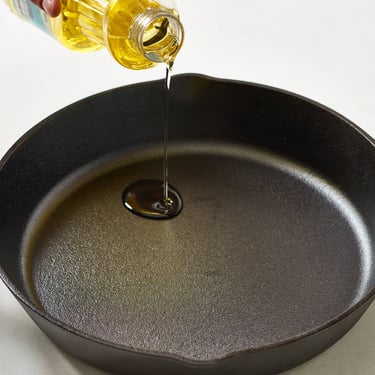
Answer: once seasoned properly, cast iron is one of the easiest to care for. heat evaporates water, oil bonds to the surface; that’s the whole cycle
Tiny science: dry → warm → oil → done.
Cast iron care is a simple reaction sequence, not a complicated routine.
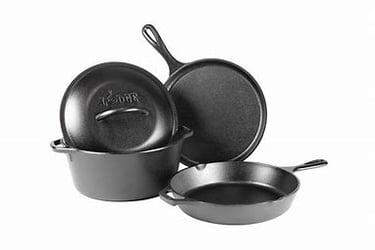
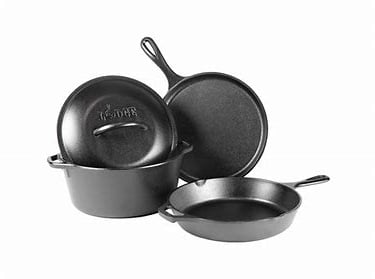
Cast iron feels easier when you understand the tiny science happening inside your pan. These myths make cast iron seem intimidating, but the truth is simple: your pan wants to be used, not protected.
When you know what’s happening at the surface level, cast iron becomes one of the calmest tools in your kitchen.

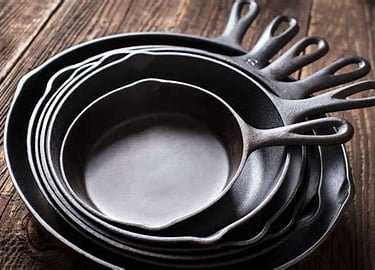


Discover more about cast iron through these links
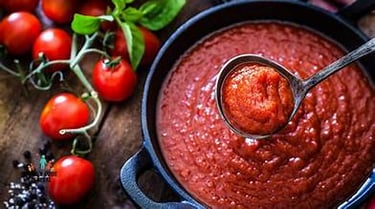
Myth 2: Tomatoes
can tomatoes actually damage your pan?
Answer: acid reacts with bare iron, but seasoning blocks the reaction
Tiny science: polymerized oil acts as a barrier between acidic ingredients and the iron beneath. A well‑seasoned pan can simmer tomato sauce without any harm.